Explore the Top Inflatable Boats: Characteristics, Benefits, and Buying Tips
Inflatable boats have risen in popularity thanks to their versatile and practical nature. They are light, convenient to transport, and ideal for a range of activities, from leisure outings to fishing expeditions. However, picking the right model requires careful consideration of several factors. Understanding key features and benefits can significantly impact the decision-making process. As potential buyers explore their options, they must evaluate different aspects to make certain they select a boat that truly fits their needs. What should they focus on?
What Are Inflatable Boats and Why Should You Choose Them?
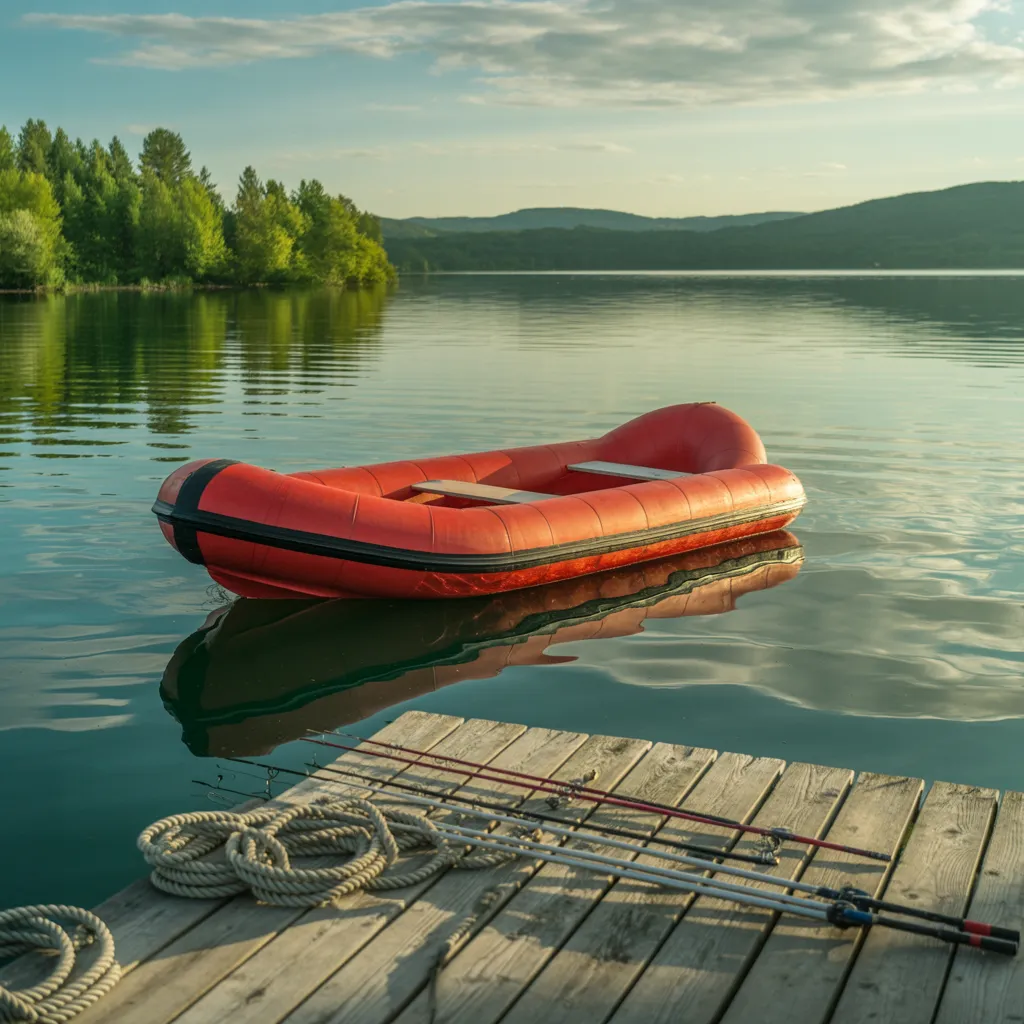
Inflatable boats, designed for lightweight portability and simple transportation, have become increasingly popular with water enthusiasts for numerous reasons. These multipurpose boats are manufactured using sturdy materials including PVC or Hypalon, delivering a perfect blend of suppleness and resilience. Their floating construction provides steadiness across different water environments, rendering them ideal for pursuits such as angling, recreational boating, and even emergency response missions.
One of the main strengths of inflatable boats is their portability. They can be compressed and stored into compact bags, making them excellent for those with limited storage space or for adventurers who travel to remote locations. Additionally, many models are designed for quick inflation, allowing users to launch without extensive setup time. Cost-effectiveness also plays a role, as inflatable boats often present a more affordable alternative to traditional hard-shell boats, drawing in newcomers and seasoned enthusiasts alike.
What Should You Look for When Choosing an Inflatable Boat?
In selecting an inflatable boat, potential buyers should think about several key features that can significantly impact their enjoyment on the water. To begin with, the build material of the boat is essential; choices like PVC or Hypalon deliver varying strength and resistance to UV rays and punctures. Second, the boat's size and weight capacity dictate how many people and equipment can be held, impacting the boat's general usability.
A further crucial element is the type of flooring; rigid floors provide enhanced stability and performance, while inflatable floors are lighter and more portable. Additionally, features such as onboard storage, safety handles, and multiple air chambers increase both convenience and safety.
Finally, the ability to work with motors might be needed for those desiring greater speeds or extended range. Assessing these features ensures that purchasers pick an inflatable boat that fulfills their particular requirements and improves their pleasure on the water.
Assessing Superior Inflatable Boats for Leisure Activities and Enjoyment
Regarding inflatable boats for leisure and recreation, several key attributes significantly shape consumer selections. A comparison of popular brands shows distinct strengths tailored to various usage contexts. Understanding these elements can help potential buyers make informed decisions that best suit their recreational needs.
Critical Features To Assess
Selecting the right inflatable boat for leisure and recreation requires thoughtful evaluation of several key features. First, the boat's material is essential; durable options like PVC or Hypalon offer protection against punctures and UV damage. Furthermore, the boat's size and weight capacity should correspond to planned usage and the number of passengers. Stability is another essential aspect, often influenced by the boat's design and shape. Furthermore, ease of inflation and deflation can significantly impact convenience, making models with integrated pumps ideal. Storage options, such as built-in compartments, improve usability for day trips. Finally, portability is crucial; lighter models facilitate transport and storage, making them excellent for recreational users. Evaluating these features guarantees a satisfying boating experience.
Popular Brands Overview
Grasping the key features of inflatable boats creates a foundation for exploring popular brands that cater to leisure and recreation. Prominent brands such as Intex and Sea Eagle offer a selection of options customized to casual users, emphasizing durability and ease of setup. Intex is recognized for its affordability and lightweight designs, making it a favorite for families. Sea Eagle, conversely, is known for its durable construction and versatility, suitable for multiple water activities. For those seeking premium options, brands like Zodiac and Achilles deliver high-performance models manufactured from durable materials, ensuring longevity. Each brand presents unique characteristics, enabling consumers to select the perfect inflatable boat for their recreational needs.
Use Case Scenarios Explained
Although various inflatable boats serve different purposes, their design and features can significantly influence the overall experience. For leisure activities, such as fishing or casual cruising, boats with larger decks and comfortable seating are often favored. These models typically offer stability and ease of navigation, enhancing relaxation on the water. In contrast, for recreational sports like white-water rafting, streamlined inflatable kayaks or rafts are ideal. They are designed for agility and durability, enabling users to tackle rough waters effectively. Moreover, some inflatable boats cater to family outings, combining safety features with spacious interiors. Understanding the intended usage scenario is essential in selecting the right inflatable boat, ensuring peak performance and enjoyment for various activities.
Analyzing the Top Inflatable Boats for Fishing Adventures
Upon beginning a fishing adventure, selecting the right inflatable boat can greatly enhance the overall experience. The ideal inflatable boat for fishing should give priority to stability, permitting anglers to cast lines without the wobble that can disturb focus. A boat with a higher weight capacity can hold more gear and passengers, which is essential for longer trips.
Additionally, features including built-in rod holders and storage compartments can considerably enhance convenience. The material of the boat also plays a vital role; puncture-resistant fabrics provide durability against challenging terrains and sharp objects. Additionally, portability is critical; lightweight designs are less difficult to transport and inflate, making spontaneous fishing trips more feasible.
In the end, assessing the finest inflatable boats for fishing requires examining these important features to provide a productive and satisfying outing on the water.
Critical Components Determining Inflatable Boat Pricing
Several key elements impact the cost of inflatable boats, impacting both introductory and top-tier models. The materials used in building plays a major role; boats manufactured from durable PVC or Hypalon generally demand higher prices due to their longevity and resistance to punctures. Additionally, the size and weight capacity of the boat can alter costs, as larger versions often need more materials and enhanced design features.
The brand reputation also contributes to pricing, with established manufacturers often charging more for their dependability and client support. Features for example integrated storage, seating, and motor compatibility can also boost a boat's price. Additionally, seasonal demand and market trends can influence pricing fluctuations. Buyers should carefully evaluate these elements to ensure they select an inflatable boat that fulfills their demands while fitting within their budget.
Inflatable Boat Care and Maintenance Tips
Proper maintenance is essential for securing the longevity and performance of inflatable boats. Regularly inspecting the boat for punctures or abrasions is essential; using a patch kit for minor repairs can extend its life. Cleaning the exterior with mild soap and fresh water after each use aids in stopping the collection of salt, dirt, and algae, which can deteriorate materials.
Storage is another key aspect; letting the air out and storing it in a cool and dry location protects it from UV damage and extreme temperatures. Avoiding contact with sharp objects during moving and handling also reduces the chance of damage.
Furthermore, inspecting and servicing the valves and inflation systems provides proper buoyancy and performance. Regularly applying a protectant designed for inflatable materials can further extend the boat's lifespan. Implementing these maintenance tips can significantly enhance associated article the durability and reliability of inflatable boats.
How to Select the Ideal Inflatable Boat for Your Purposes?
Selecting the right inflatable boat can seem daunting, but understanding specific needs and intended uses eases the process. First, potential buyers should consider the boat's primary purpose, whether for fishing, leisure, or rescue operations. Each activity requires different features, such as stability, seating capacity, and durability.
Subsequently, the material is critical; heavy-duty PVC or Hypalon offers longevity and defense from punctures. Size is another factor; compact boats are simple to transport, while larger models supply extra space but may require extra storage.
Additionally, think about the ease of inflation and deflation, together with the boat's weight and portability. Accessories, like oars, pumps, and safety gear, should also be considered in the budget. Ultimately, analyzing these components allows individuals to select an inflatable boat that satisfies their specific requirements and enhances their experience on the water.
Questions & Answers
What's the Best Way to Store My Inflatable Boat Properly?
To correctly store an inflatable boat, confirm it is both clean and dry, completely deflate it, carefully fold it, and keep it in a dry, cool location away from sunlight and sharp items.
May Inflatable Boats Perform in Rough Waters?
Inflatable vessels can operate in rough waters when specifically designed for these conditions. Features like reinforced materials and proper buoyancy enhance performance, though prudence is vital to assure protection and stability in turbulent surroundings.
What Is an Inflatable Boat's Lifespan?
An inflatable boat typically lasts from five to fifteen years, depending on factors like material quality, maintenance, and usage conditions. Proper care can greatly extend its lifespan and performance in diverse settings.
Are Inflatable Boats Safe for Children?
Inflatable boats can be safe for children when properly supervised. Life jackets should always be worn by them, and adults need to verify the boat is suitable for the water conditions. Safety measures greatly enhance overall child safety during boating activities.
How Should I Repair a Punctured Inflatable Boat?
To mend a punctured inflatable boat, identify the leak, sanitize the area, apply a suitable adhesive patch, and let it to cure entirely. Regular inspections can assist in prevent future punctures and maintain safety during use.